Stem Of Corn
Stem Of Corn is a collective noun phrase for a group of corn.
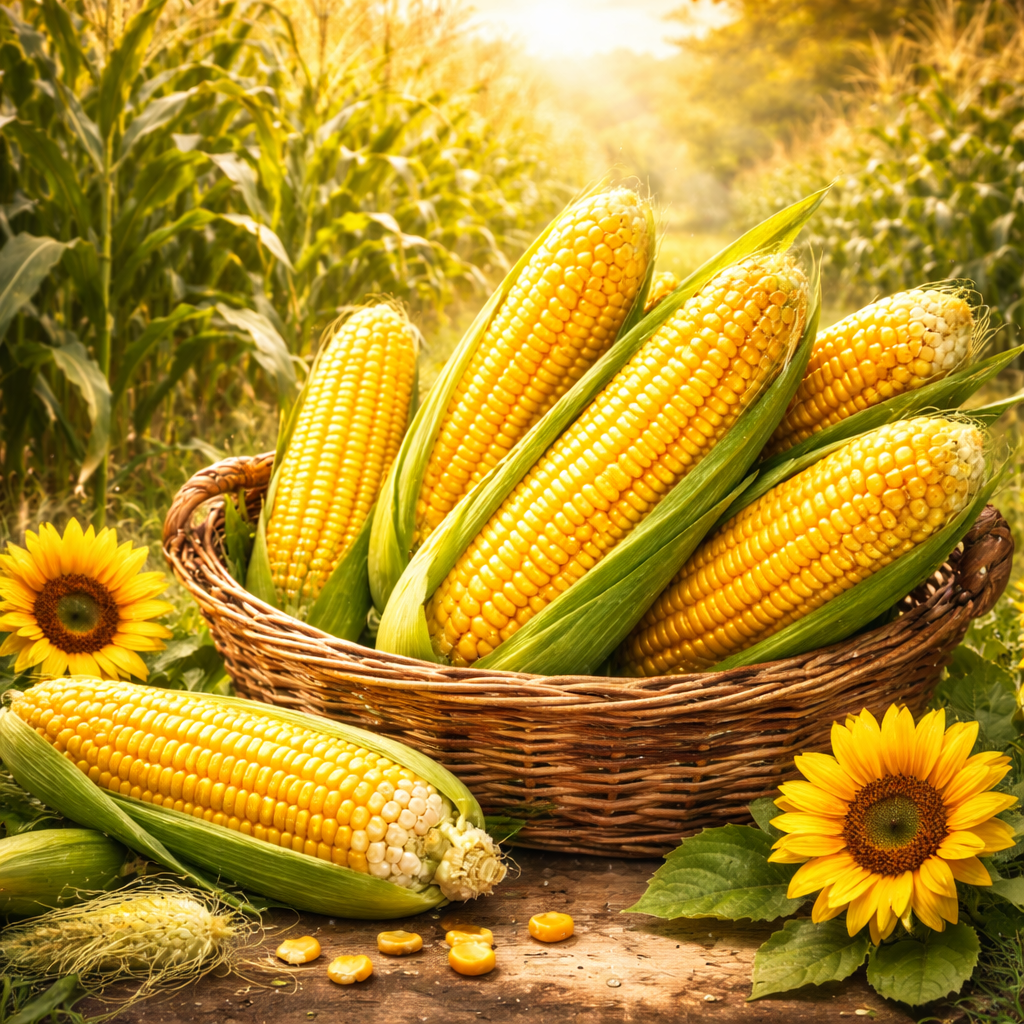
The collective noun phrase stem of corn refers to a group or bundle of the erect stalks that support and connect the leaves, cobs, and tassels of the corn plant. In a typical cornfield, numerous stems rise tall and straight from the ground, forming a dense arrangement that presents a striking sight. As the primary structure of the plant, the stem serves as the backbone, providing support and stability to the corn plants. It is sturdy and cylindrical, covered with thin, vertical ridges called nodes that separate the segments of the plant. These segments, also known as internodes, punctuate the stem and give it distinct length. When described as a collective noun phrase, stem of corn implies an amalgamation of these individual stems, representing the unity and abundance found in a cornfield. Together, they contribute to the overall health and vigor of the plant, playing a crucial role in the distribution of water, nutrients, and protection to other vital parts, such as the leaves and cobs. Moreover, the stem of corn grants a certain aesthetic appeal to the field, both in its vibrant green color during the growing season and its transition to a golden hue when the corn is ripe for harvest. As shimmering rows of stems, they create an organized pattern across the landscape, adding depth and texture to the visual experience. So when speaking of a stem of corn, one conjures an image of a collective effort that symbolizes the strength, productivity, and natural beauty present in every thriving cornfield. It represents the growth and potential held within each stem, ultimately culminating in a fruitful harvest.
Example sentences using “Stem Of Corn”
- The stem of corn is strong and sturdy, supporting the weight of the tall plants.
- Farmers carefully cultivate and protect the stem of corn to ensure healthy and productive harvests.
- The stem of corn can be seen towering over the fields, creating a dense and beautiful landscape.